

understanding mind : ค้นหาหนังสือธรรมะ หน้า 20 / 21
หน้าหนังสือทั้งหมด
34
Understanding the Three Characteristics of Existence
When we receive fortune, prestige, recognition or happiness,
our minds will remain calm, not overwhelmed or attached.
A person who is aware of suffering and happiness has
trained the mind to be as sta
This text elaborates on the Three Characteristics: impermanence, suffering, and non-self, as fundamental truths of existence in Buddhism. It highlights how fortune, prestige, and happiness are tempora
171
Cultivating Mindfulness and Moral Foundations in Families
their families to have control over themselves at a young age,
the grandparents instilled them with generosity through alms
offerings to the monks and daily observance of the five
precepts. These whol
This text discusses how families can instill moral values and mindfulness in children through daily Dhamma studies, teachings, and meditation. It emphasizes the importance of generosity, the awareness

136
Criteria for Giving and Boonya
Part Five: Truth for the Family
Chapter 24
Criteria for Giving
and Boonya
Today, people are inclined to put their faith in science
above anything else. However, there are many things of which
science
In this chapter, the text discusses the prevailing trend of people placing their faith in science, which often overlooks the spiritual dimensions of existence. It highlights the distinction between th
187
Understanding Heaven and Hell in Buddhism
Part Seven: Appendixes
realm, we ourselves need to be pure. When we are pure, our
accumulated amount of boonya energy will refine our mind
to a certain degree and automatically bring us to that realm
This text discusses the Buddhist understanding of heaven and hell, emphasizing the role of boonya and baap in determining one's afterlife. It explains that heaven is achieved through purifying one's a

9
Where Does Peace Begin?
Where Does Peace Begin?
temperament. The root of peace and calm comes
from within the mind, and it is this fact that
ultimately causes one to have a good or bad
temperament.
Knowing this, how do we th
This text emphasizes that true peace and calm originate from within the mind. By understanding and achieving a pure and contented mindset, individuals can find true happiness. True happiness leads to

115
The Power of Meditation for Personal Growth
Knowledge and Career
able to still my mind and set aside work-related
matters such as the numbers and the financial
planning, I was able to remain in the stillness
longer and transcend to a deeper lev
This text discusses the importance of meditation in achieving a state of stillness and how it can lead to personal growth. By letting go of analytical tendencies and distractions, one can return to a
150
Journey to Joy
Journey to Joy
150
things is not the correct way to resolve one's
problems. If we have to face misfortune over
and over again, we would have to go through
the same distress because our minds lack
the
This passage emphasizes the importance of developing mental strength to face life's adversities. It explains how repeated misfortunes can lead to distress if we do not strengthen our minds. Meditation

216
Journey to Inner Meditation
Journey to Joy
216
inner meditation experience. I began meditating
without having any thoughts or using any mantras.
This allowed me to fully relax. I simply placed my
mind at the centre of my body. W
This text describes a personal journey into meditation, focusing on the practice of centering one's mind within the body for relaxation. The author shares their experience of feeling bodily sensations
231
Understanding Dhammakaya: The Nature of Wisdom
Wisdom
like our mind. The Dhammakaya has been there,
naturally, since we were born. The Dhammakaya
has nothing to do with religion, race, or personal
belief. Just because I cannot see the Dhammakaya
w
The text discusses the concept of Dhammakaya, suggesting that it exists inherently within all individuals, regardless of external influences. It emphasizes the importance of refining one's mind to per
234
Journey to Joy
Journey to Joy
mind. I started to use my mind, when dealing
with my colleagues, instead of my external eyes,
because our physical eyes do not allow us to see
the true reality of things. Our external e
In "Journey to Joy," the author shares experiences of using mindfulness and meditation to enhance interactions with colleagues and resolve workplace challenges. By focusing on internal perspectives ra

259
The Transformative Power of Dhammakaya Meditation
Many people, conditioned and driven
by modern materialistic values, seek instant
results, instant gratification, instant peace. What
I discovered as I practiced the Dhammakaya
method of meditation, da
Many people, driven by materialistic values, seek instant results, but through the Dhammakaya method, one can experience a gradual transformation. Meditation helps to change sorrow into happiness and

89
The Seven Bases Leading to Peace of Mind
The Seven Bases Leading to Peace of Mind
2
3
5
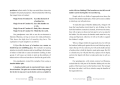
Base (1) Nostril {
Left nostril for women
Right nostril for men
Base (2) Bridge of nose { Right for men
Left for women
Base (3) Middle part of head
Base
This text outlines the seven bases that contribute to attaining peace of mind. Each base is associated with different parts of the body and varies according to gender. Understanding these bases can en
28
Metaphors for Mind Purification
gentleness in their minds. So they converted these virtues into metaphors for practical purposes, which included the following four magic forms of conduct:
Magic Form of Conduct #1: Eyes like the kno
This text delves into four magic forms of conduct symbolizing virtues for mental clarity, derived from natural observations made by our grandparents. Each metaphor teaches important life lessons aimed
32
Dhamma-kāya in the Pali Canon
Dhamma-kāya in the Pali Canon¹
Chanida Jantrasrisalai
I. Why ‘Dhamma-kāya’ in the ‘Pali Canon’?
The term dhamma-kāya/dharmakāya appears in Buddhist literature of different schools. Previous scholars
The study investigates the term dhamma-kāya as presented in the Pali Canon, aiming to provide a comprehensive analysis that has been overlooked in previous studies. While many references have been mad

92
The Victory of Abandoning: Insights from the Dana Sutta
The Victory of Abandoning
9. Dana Sutta
Those 6 things Then, having exhausted that action, that
power, that status, that sovereignty, he is a returner,
coming back to this world.
7. "-- but with the
The Dana Sutta presents profound insights on the nature of giving and its consequences in the spiritual journey. It describes how the mindset behind acts of generosity can influence their outcomes—whe

133
Understanding the Five Hindrances in Meditation
Five Hindrances
Hindrances are negative mental states that impede success in meditation. They consist of:
Sensual Desire – craving for pleasure of the five senses: sight, sound, smell, taste and tou
The Five Hindrances are crucial negative mental states that can obstruct meditation success. They include Sensual Desire, which refers to craving for sensory pleasures that distract the mind. Ill will
21
Understanding Boonya and Mara with J. Dhyaan Master
Metings with J. Dhyaan Master
This is a store can satisfy every desire of god or man;
No matter what they aspire to have: All that is got by boon’s grace.
Beauty of looks, beauty of voice, beauty of
In the teachings of J. Dhyaan Master, the store of boon represents the source of all desires fulfilled by divine grace. Boonya, or pure energy from doing good, leads to personal purification and enlig
22
Understanding the Five Types of Mara
Suzanne Jeffrey
"The second type is called Kanta Mara and that is about the human body. Our present biology says that man is body, but in higher biology, man is composed of the human body and the min
In this excerpt, Suzanne Jeffrey elaborates on the concept of Mara, describing five distinct types: Kanta Mara (the body and mind functions), Gamma (action from karma), Deity (false gods), Matuman (fe
72
The Path to Right View and World Peace
Nic Mush-wi. A Dhamma Master
must have the right view in order to start, and to understand, how to bring about world peace. We know, of course, that we are all made of body, mind, and Dhamma, and wit
This text emphasizes the significance of the right view in attaining world peace, stating that Dhamma must be understood and implemented in one’s life. The essence of meditation tied to the eightfold
82
Understanding Dhamma and the Influence of Karma
Suzanne Jeffrey
“The Dhamma is sphere shaped. If we put our mind in the center of the Dhamma, then we will be bright all of the time and get rid of our defilements. Center of the center, middle of th
In this insightful discussion, Luang Por elaborates on the nature of Dhamma, emphasizing that if we center our minds in Dhamma, we can attain clarity and diminish our defilements. He explains that whi